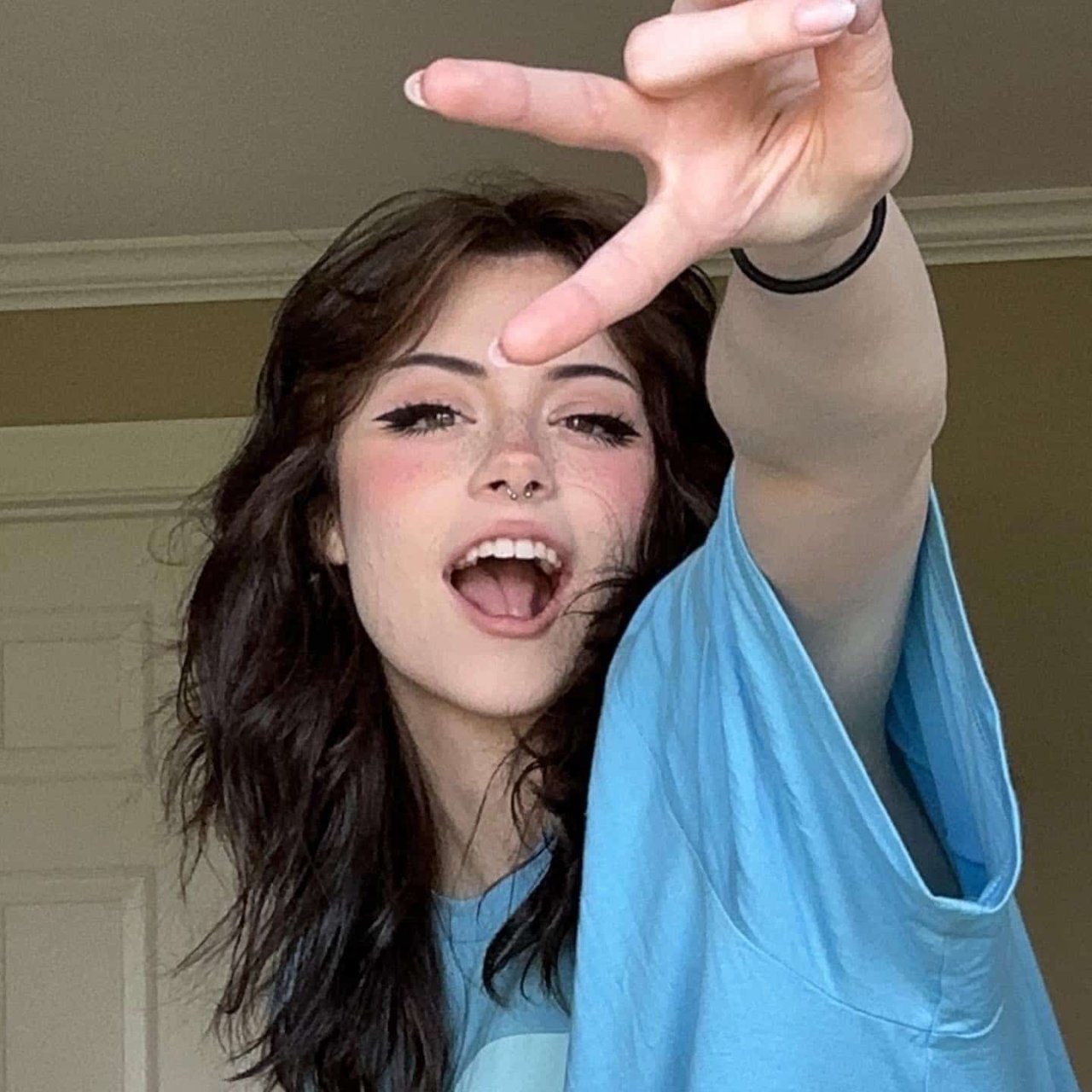
Hannah Owo nude content claims and Digital Presence Facts
Hannah Owo has established a significant digital presence through her career as a model and social media influencer. Despite her professional success, various unverified claims regarding hannah owo nude content frequently circulate across online forums. These allegations often lack credible evidence and are typically used to drive traffic to malicious digital spaces. In reality, her public profile focuses on fashion and brand engagement. It is important to distinguish between her verified creative work and sensationalist rumors that do not reflect her actual professional output or personal boundaries.
The rise of online misinformation regarding popular influencers
The digital landscape has become a fertile ground for baseless allegations targeting high-profile personalities. As influencers gain massive followings, they often become targets for fabricated narratives designed to drive traffic or devalue their professional reputation. One common tactic involves the creation of false claims regarding hannah owo nude imagery or private videos to lure users toward malicious websites. These rumors typically rely on the curiosity of the public, spreading rapidly across platforms before any verification can take place.
Misinformation thrives because social media algorithms prioritize engagement over accuracy, allowing sensationalist headlines to go viral. Once a false claim gains momentum, it becomes difficult to eradicate, even when the affected individual issues a formal denial. This cycle creates a hostile environment for creators who must constantly defend their image against manufactured deceptions. Understanding how these rumors are constructed is essential for navigating the modern internet safely and distinguishing between legitimate content and digital fabrications.
How social media algorithms amplify viral rumors
Social media platforms are designed to prioritize high engagement, which often favors sensational content over factual accuracy. When a claim regarding hannah owo nude imagery surfaces, algorithms detect rapid spikes in shares, pushing the post to millions of feeds. This mechanism creates a feedback loop where misinformation gains massive visibility before any formal fact-check can occur.
Automated systems cannot distinguish between legitimate news and malicious fabrications if the latter generates more clicks and comments. Consequently, by the time an influencer can issue a denial, the rumor has often already reached a global audience. This systemic amplification ensures that false narratives remain embedded in the public consciousness, making it increasingly difficult for average users to distinguish reality from manufactured trends in the digital landscape.
Identifying fake media and manipulated imagery
Distinguishing between authentic footage and manipulated media requires a critical eye for digital artifacts. When encountering high-profile viral claims regarding hannah owo nude imagery, viewers should look for inconsistencies such as blurred edges, unnatural lighting, or distorted anatomical features. Advanced deepfake technology often fails to perfectly replicate complex textures or consistent background movements.
Verifying the source of the content is the most effective way to avoid misinformation. If the imagery appears only on anonymous forums rather than official social media profiles, it is likely fabricated. Relying on established digital forensics helps prevent the spread of harmful, false content designed to damage a creator's reputation.
The ethical impact of deepfake technology on creators
The proliferation of deepfake technology presents a severe ethical crisis for digital creators and public figures. When manipulated content like hannah owo nude imagery is circulated without consent, it strips individuals of their bodily autonomy and professional reputation. This type of digital violence erodes trust in online spaces and causes lasting psychological harm to the victims. Beyond the immediate impact, the normalization of synthetic media creates a dangerous environment where personal authenticity is constantly under question. Protecting digital integrity requires a fundamental shift in how platforms prioritize creator safety over the viral spread of deceptive media.
Technical methods used in digital manipulation
Sophisticated algorithms now utilize generative adversarial networks to create highly realistic deepfakes. These tools process thousands of reference images to map facial features onto target bodies with startling precision. While these methods have legitimate uses in cinema, they are frequently weaponized to produce fake hannah Owo nude content. Such digital manipulation makes it increasingly difficult for average viewers to distinguish between genuine media and synthetic fabric without forensic analysis.
Verifying authenticity through official social channels
To distinguish between reality and fabrication, audiences must rely exclusively on verified social media profiles. Hannah Owo maintains official accounts on major platforms like Instagram and Twitter which serve as the primary sources for her authentic digital presence. When claims regarding hannah owo nude content surface online, it is essential to check if the material originates from these verified handles.
- Look for the blue checkmark that confirms the account's identity.
- Cross-reference any viral claims with recent posts or stories shared on her official pages.
- Avoid trusting content hosted on third-party websites or obscure forums that lack editorial standards.
By sticking to these established communication channels, individuals can avoid falling victim to manipulated media designed to exploit public figures or spread misinformation across the internet.
The role of platforms in protecting privacy
Digital media platforms play a critical role in safeguarding the privacy of public figures against unauthorized content. Most major social networks implement automated algorithms designed to identify and remove non-consensual imagery upon detection. When users search for terms like hannah owo nude, these security systems work to filter out malicious results and prevent the spread of harmful material.
Furthermore, platforms provide dedicated reporting tools that allow individuals to flag content that violates community standards. By enforcing strict privacy policies, tech companies aim to mitigate the damage caused by digital leaks and deepfakes. However, the persistent nature of the internet means that protection remains a constant challenge. Maintaining a digital reputation requires a combination of robust technical barriers and active moderation from the platforms hosting the data. Monitoring these trends is essential for ensuring that the digital presence of creators remains a space for legitimate content creation rather than exploitation.
Why fans search for leaked celebrity content
The persistence of searches for unauthorized media often stems from a desire for perceived intimacy with high-profile public figures. Many fans believe that searching for hannah owo nude or similar private imagery provides a glimpse into a hidden life that is otherwise strictly guarded. This behavior is frequently fueled by the curated nature of social media, where the boundary between public and private feels blurred.
Furthermore, the sensationalism surrounding leaked content creates a false sense of urgency. Users are often drawn to the idea of discovering something that was not intended for public consumption. However, these searches frequently lead individuals to malicious websites hosting deceptive links or manufactured content. Understanding these psychological drivers helps highlight why digital privacy remains a constant battle despite the clear ethical and legal risks to the individuals involved.
How to report deceptive content effectively
To combat deceptive media online, users must utilize platform-specific reporting tools immediately. When you encounter claims regarding hannah owo nude content or fraudulent leaks, use the official report function on the social media site. Select categories related to harassment, non-consensual sexual content, or spam.
- Identify the specific URL of the deceptive post.
- Avoid interacting with the content, as engagement increases its visibility.
- Document the post as evidence if the content involves illegal activity or threats.
By taking these steps, you help limit the spread of misinformation and protect the digital integrity of individuals targeted by predatory scams.
Protecting your digital safety from predatory scams
Maintaining a secure digital footprint requires constant vigilance against predatory scams that exploit celebrity names. Scammers often use high-profile figures to create deceptive bait like hannah owo nude to lure users into clicking malicious links. These tactics frequently rely on emotional manipulation or curiosity to bypass a person's natural defense mechanisms. To protect yourself, never engage with unsolicited links sent via private messaging or social media comments.
- Avoid sharing personal information on platforms claiming to offer exclusive leaked content.
- Use multi-factor authentication on all social media accounts to prevent unauthorized access.
- Be skeptical of websites that demand payment for viewing private galleries or videos.
- Verify the authenticity of media through official channels before interacting with it.
By adopting these proactive security measures, you can significantly reduce the risk of falling victim to identity theft or malware. Awareness remains the strongest defense against those who seek to profit from spreading digital misinformation and fraudulent schemes.
Future trends in digital identity verification
As digital landscapes evolve, the methods for verifying identity are becoming increasingly sophisticated to combat deepfakes and misinformation. Future trends point toward decentralized identity systems and biometric encryption to ensure that online content remains authentic without compromising personal privacy. This shift is crucial for public figures targeted by fabricated hannah owo nude claims or other synthetic media deceptions designed to damage reputations.
Platforms are likely to adopt real-time detection tools that flag AI-generated imagery before it reaches a wide audience. By utilizing blockchain-based credentials, creators can establish a verifiable trail of their official media, making it harder for predatory scams to circulate. Furthermore, enhanced encryption protocols will allow individuals to maintain greater control over their digital footprint. As these technologies advance, the transition from reactive to proactive verification will become the industry standard for maintaining digital integrity in an era of rapid technological automation and content manipulation.