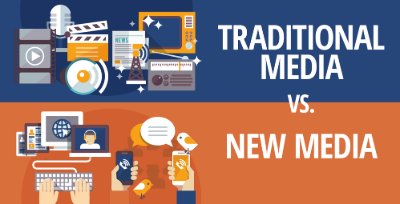
xxxbrits vs Traditional British Media A Modern Comparison
The landscape of British entertainment has shifted significantly as legacy broadcasters face stiff competition from digital platforms. While traditional British media relies on rigid broadcasting schedules and linear programming, xxxbrits represents a more interactive and viewer-centric approach. This modern alternative allows for immediate audience engagement and real-time feedback that traditional television often struggles to match. As viewers demand more flexibility, the divide between these two worlds continues to grow, contrasting the curated familiarity of classic channels against the rapid innovation of digital media.
The Evolution of Digital Entertainment in the UK
The landscape of entertainment in the UK has undergone a radical shift from linear broadcasting to highly interactive digital experiences. For decades, viewers relied on rigid schedules set by national broadcasters, which dictated when they consumed content. However, the rise of high-speed internet and mobile platforms has dismantled these barriers, allowing for a culture of on-demand viewing. This evolution has paved the way for platforms like xxxbrits, which prioritize real-time interaction and community-driven narratives over traditional one-way communication.
Today, the audience expects more than just a passive viewing experience; they want to participate in the story as it unfolds. Traditional media often focuses on broad-appeal programming, whereas digital-first media thrives on niche interests and deep audience engagement. As technology continues to advance, the boundary between the creator and the consumer continues to blur, creating a dynamic environment where feedback is instantaneous and influence is decentralized. This transformation reflects a fundamental change in how British audiences perceive and interact with modern media outlets.
How xxxbrits Redefined Engagement Standards
The rise of xxxbrits has fundamentally altered how audiences interact with entertainment content in the UK. Unlike traditional broadcasting that relies on one-way communication, these digital platforms prioritize real-time interactivity and community-driven narratives. This shift has forced legacy media to move away from passive viewing toward active participation. Key innovations include:
- Live polling features allow viewers to influence the direction of programs.
- Real-time chat functions foster a sense of shared experience among fans.
- Social media integration ensures that discussions extend far beyond the initial broadcast window.
By prioritizing transparency and immediate feedback, xxxbrits has set a new benchmark for engagement standards. Modern viewers no longer accept a static schedule; they demand a dynamic environment where their voice directly shapes the digital entertainment landscape.
Technical Infrastructure and User Interface Design
The technical architecture powering xxxbrits prioritizes low latency and rapid scalability to satisfy modern demands. Unlike legacy broadcasting platforms that rely on rigid linear schedules, this digital framework utilizes a responsive design to ensure seamless content delivery across various devices. The interface focuses on intuitive navigation, reducing friction for the user.
- Real-time data synchronization for live updates.
- Interactive widgets that allow for instant audience feedback.
- Adaptive bitrate streaming to prevent buffering during peak periods.
By leveraging cloud-based frameworks, the platform maintains a highly stable environment that traditional media simply cannot match in the current digital landscape.
Mobile Optimization for Local Audiences
As viewers increasingly shift toward handheld devices, the xxxbrits platform prioritizes responsive design to outperform traditional media outlets that often struggle with mobile scaling. This optimization ensures that local audiences can access real-time updates and live streams without performance lag.
- Fast loading times for users on varying cellular networks.
- Intuitive navigation tailored for one-handed use.
- A streamlined interface that minimizes clutter on smaller displays.
By focusing on mobile-first architecture, the platform maintains a competitive edge over legacy broadcasting that remains tied to desktop-centric frameworks.
The Impact of Community-Driven Content
Community-driven content has transformed how viewers engage by turning passive observers into active participants. Unlike top-down broadcasting, platforms like xxxbrits allow audiences to shape the narrative through real-time feedback. This grassroots approach fosters a sense of ownership that legacy media struggles to replicate. By prioritizing local perspectives and niche interests, these digital spaces ensure the content remains deeply relevant to the specific needs of the modern community.
Content Variety in Legacy Broadcasting Outlets
Legacy broadcasting outlets rely on a structured schedule designed to appeal to a broad demographic simultaneously. These traditional channels often prioritize high-budget productions, curated evening news segments, and scripted dramas that adhere to strict editorial standards. While this approach ensures a baseline of professional quality, it frequently lacks the niche appeal found in modern digital-first spaces like xxxbrits.
Traditional media is constrained by linear time slots, which limits the variety of topics that can be explored in depth. In contrast, digital platforms allow for a vast array of grassroots content that caters to specific subcultures. While legacy outlets offer a sense of institutional authority and polished presentation, they often struggle to match the rapid-fire variety and diverse perspectives that viewers now expect from their entertainment sources.
Why Audiences Prefer Interactive Platforms
Modern viewers are increasingly moving away from passive consumption in favor of active engagement. Unlike legacy broadcasting, where the audience merely observes, platforms like xxxbrits allow participants to engage with the narrative in real-time. This shift toward interactivity creates a sense of community that traditional television struggles to replicate.
Key features driving this preference include: - Live chat functions that allow for instant feedback and social interaction among peers. - Interactive polls and voting mechanisms that influence the direction of the program. - Social media integration that extends the viewing experience beyond the screen.
By providing tools for expression and immediate reaction, these digital platforms transform the viewer into a contributor. Audiences today want to feel like a part of the story rather than just a spectator. This demand for agency is why traditional non-interactive formats are losing ground in the current media landscape.
Demographic Shifts in Modern Consumption Habits
The landscape of media consumption has fundamentally transformed how younger generations interact with content. While traditional broadcasters rely on linear schedules that alienate youth, viewers are increasingly gravitating toward platforms like xxxbrits that offer on-demand accessibility. This shift reflects a broader move away from passive viewing toward active engagement within digital communities.
- Modern audiences prioritize authenticity and real-time interaction over the polished production values of legacy television.
- There is a growing preference for mobile-first content that fits into seamless multitasking lifestyles.
- The generational gap is being bridged by decentralized storytelling.
As digital natives continue to command a larger share of the attention economy, the pressure on traditional outlets to adapt to these dynamic habits becomes unavoidable in 2026.
Algorithmic Recommendations Versus Editorial Selection
The divide between xxxbrits and legacy broadcasters lies largely in how content is discovered. While traditional media relies on human editors to curate news based on journalistic merit, modern digital platforms utilize complex algorithms. This shift moves the user experience from a shared national agenda to a personalized feed tailored to individual behavior.
- Editorial selection often provides a broad societal perspective but can feel rigid or slow.
- Algorithmic recommendations prioritize engagement metrics, which can create echo chambers.
This tension fundamentally changes how audiences interact with the British media landscape in 2026.
The Future of Integrated British Media Consumption
The landscape of media consumption is shifting toward a hybrid model where legacy broadcasters and digital platforms converge. As we move further into 2026, the distinction between watching a scheduled program and streaming personalized content becomes increasingly blurred. Audiences now expect a seamless experience that combines the high production values of traditional television with the interactive nature of platforms like xxxbrits.
This integration will likely redefine how news and entertainment are distributed, prioritizing real-time engagement feedback loops. We are seeing a rise in cross-platform storytelling where a single narrative unfolds across social feeds and linear broadcasts simultaneously. This evolution ensures that traditional outlets remain relevant to a younger generation that demands a digital-first approach. Ultimately, the success of British media will depend on its ability to maintain editorial integrity while embracing the flexibility and speed of digital innovation. The future belongs to those who can bridge the gap between curated broadcasting and algorithmic discovery.
Final Thoughts on Digital Media Trends
The landscape of entertainment continues to undergo a radical transformation as audiences prioritize flexibility and interactivity. As we move further through 2026, the distinction between legacy broadcasting and digital-first platforms becomes increasingly blurred. The rise of xxxbrits represents a broader shift toward community-driven content and real-time engagement that traditional television schedules simply cannot match.
Several key trends will define the coming era: - The continued dominance of short-form video content for rapid information consumption. - The integration of artificial intelligence to personalize viewing experiences further. - A growing demand for niche programming over broad-market-only broadcasts.
Ultimately, the success of media entities depends on their ability to adapt to these digital realities. While traditional methods hold nostalgic value, the future clearly belongs to platforms that empower the viewer. Consumers now expect seamless transitions between devices and the freedom to switch between formats without losing the quality of the narrative. Staying relevant in this fast-paced environment requires constant innovation from any organization in the modern media space.